CT Project — Contributor guide
Cooperative transport
research in ants
Our goal: to better understand cooperative transport in ants by comparing species from around the planet.
ACE Lab · Freie Universität Berlin · Supported by the DFG Walter Benjamin Programme
40Contributors on board3 contributors have sampledCollapse details −
 40
 3
contributors have sampled
All contributors
- Alejandro Farji-Brener
- Andrés Devegili
- Andrés Verver
- Asser Loutfi
- Cai Wang
- Carolina Ivon Paris
- Chris Reid
- Daniele Carlesso
- Ehud Fonio
- Fabio Nascimento
- Gabriela Castaño Meneses
- Geraldo Nascimento
- Helen McCreery
- Hlib Burtsev
- Horace Zeng
- James Montoya-Lerma
- Javier Lopez de Casenave
- Juan Pascual-Gil
- Julián Sabattini
- Jürgen Gadau
- Lucas Yun
- Luisa Jaimes-Nino
- María Natalia Lescano
- Mariana Pereyra
- Marina A. Alma
- Martin Geffner
- Matina Donaldson-Matasci
- Morena Peltzer
- Nataly Forero-Chavez
- Noa Pinter-Wollman
- Ofer Feinerman
- Priscila Hanisch
- Rodrigo Pol
- Sílvia Abril
- St. Popp
- Stephen Pratt
- Tomer Czaczkes
- Vidhaan Dave
- Xavier Arnan
- Xim Cerdá
Already sampled
- Andrés Devegili (3 species)
- Jürgen Gadau (4 species)
- Marina Alma (4 species)
100Proposed species11 species sampledCollapse details −
 100
All proposed species
- Acromyrmex crassispinus
- Acromyrmex heyeri
- Acromyrmex lobicornis
- Acromyrmex lundii
- Acromyrmex versicolor
- Amoimyrmex striatus
- Anoplolepis gracilipes
- Aphaenogaster senilis
- Atta mexicana
- Atta saltensis
- Atta sexdens
- Atta vollenweideri
- Brachymyrmex patagonicus
- Camponotus blandus
- Camponotus distinguendus
- Camponotus maculatus
- Camponotus pennsylvanicus
- Camponotus rosariensis
- Cardiocondyla minutior
- Cardiocondyla obscurior
- Cataglyphis velox
- Crematogaster scutellaris
- Dinoponera grandis
- Dorymyrmex bicolor
- Dorymyrmex ensifer
- Dorymyrmex flavecens
- Dorymyrmex insanus
- Dorymyrmex pyramicus
- Dorymyrmex richteri
- Dorymyrmex tener
- Dorymyrmex thoracicus
- Ectatomma brunneum
- Ectatomma edentatum
- Ectatomma muticum
- Forelius chalybaeus
- Forelius grandis
- Forelius mccooki
- Forelius nigriventris
- Forelius pruinosus
- Formica dolosa
- Formica fusca
- Formica occulta
- Formica paralugubris
- Formica rufibarbis
- Holcoponera pernambucana
- Lasius emarginatus
- Lasius flavus
- Lasius fuliginosus
- Lasius neglectus
- Lasius niger
- Lasius sitiens
- Lepisiota bipartita
- Leptomyrmex rufipes
- Linepithema humile
- Liometopum apiculatum
- Messor barbarus
- Messor capitatus
- Myrmecocystus mendax
- Novomessor albisetosus
- Novomessor cockerelli
- Nylanderia fulva
- Odontomachus bauri
- Oecophylla smaragdina
- Ooceraea biroi
- Pachycondyla striata
- Paratrechina longicornis
- Pheidole aberrans
- Pheidole bergi
- Pheidole cerebrosior
- Pheidole cordiceps
- Pheidole desertorum
- Pheidole dinophila
- Pheidole geminata
- Pheidole obtusospinosa
- Pheidole oxyops
- Pheidole pallidula
- Pheidole radoszkowskii
- Pheidole rhea
- Pheidole spadonia
- Pheidole spininodis
- Pheidole sulcaticeps
- Pheidole titanis
- Pheidole xerophila
- Pogonomyrmex barbatus
- Pogonomyrmex bicolor
- Pogonomyrmex californicus
- Pogonomyrmex subnitidus
- Polyrhachis vicina
- Prenolepis imparis
- Solenopsis andina
- Solenopsis invicta
- Solenopsis parva
- Solenopsis xyloni
- Tapinoma darioi
- Temnothorax rugatulus
- Tetramorium bicarinatum
- Tetramorium caespitum
- Veromessor andrei
- Veromessor pergandei
- Wasmannia auropunctata
Already sampled
- Camponotus spec.
- Cardiocondyla minutior
- Crematogaster scutellaris
- Formica fusca
- Formica rufa/polyctena
- Lasius emarginatus
- Lasius neglectus
- Messor capitatus
- Myrmecocystus mendax
- Pheidole pallidula
- Tetramorium caespitum
01 The project
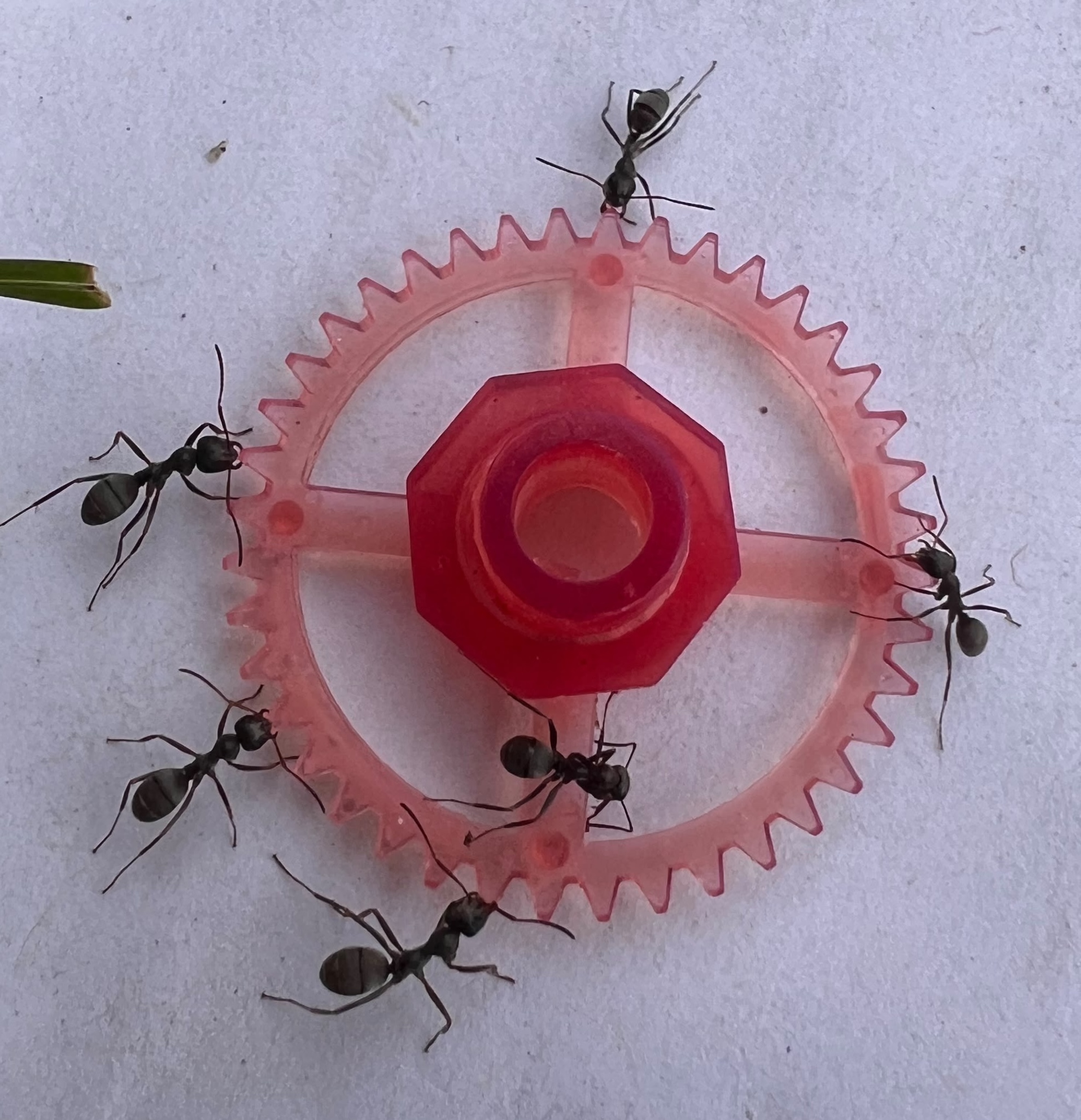
Cooperation allows animals to accomplish tasks they could not achieve alone and is particularly important in social animals such as ants, bees, and humans. In ants, cooperative transport is a remarkable example: workers coordinate their efforts to move items too large or heavy for a single ant. This behavior supports important colony activities, including food transport, nest construction, obstacle removal, and brood relocation. Research on cooperative food transport has grown rapidly in recent years because it helps us understand how animals coordinate their actions and reach consensus, while also informing the development of algorithms for cooperative transport in robotics. Despite this interest, most research has focused on a few highly coordinated species, leaving much of the diversity of this behavior unexplored.
This project brings together researchers and citizen scientists to collect standardized observations and records of cooperative food transport across ant species worldwide. We aim to understand how cooperative transport works and how it evolved, addressing two major questions:
What makes a good cooperative transporter?
Compare transport performance across species and examine how ant alignment, engagement with the load, and changes in group size relate to efficiency.
What are the evolutionary origins of cooperative transport?
Explore how the occurrence of cooperative transport relates to evolutionary history and ecology across a wider diversity of ants.
02 Sampling
To make cooperative transport data comparable across ant species, we have developed sampling protocols based on bait removal trials using a combination of natural and artificial baits:
Bait removal trials
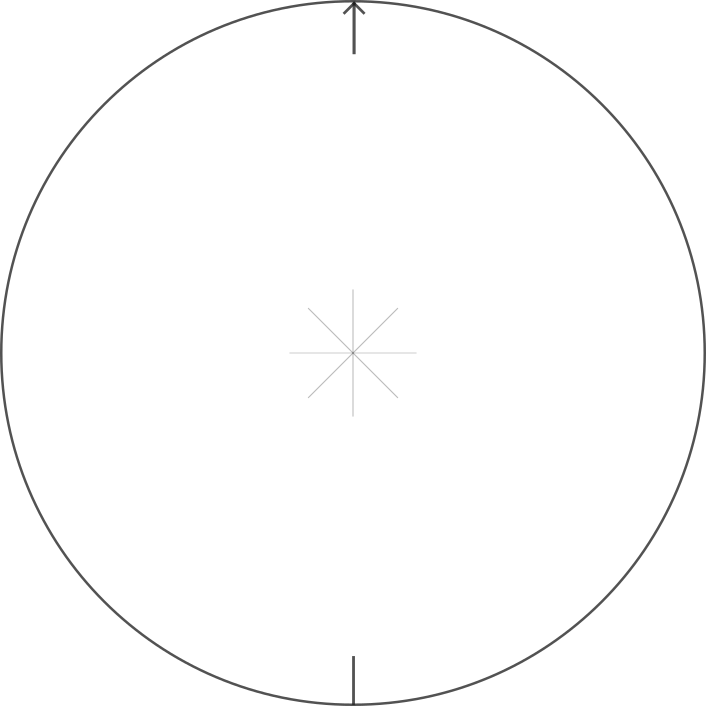
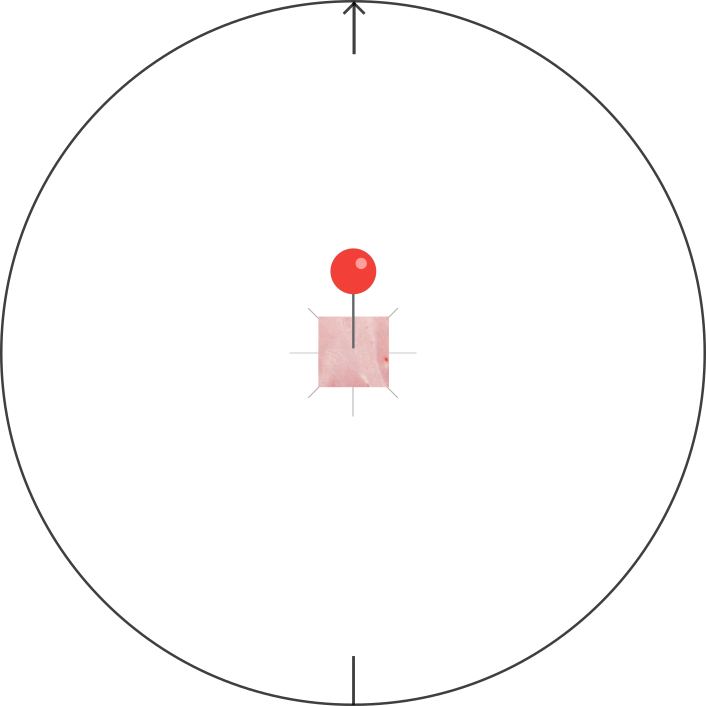
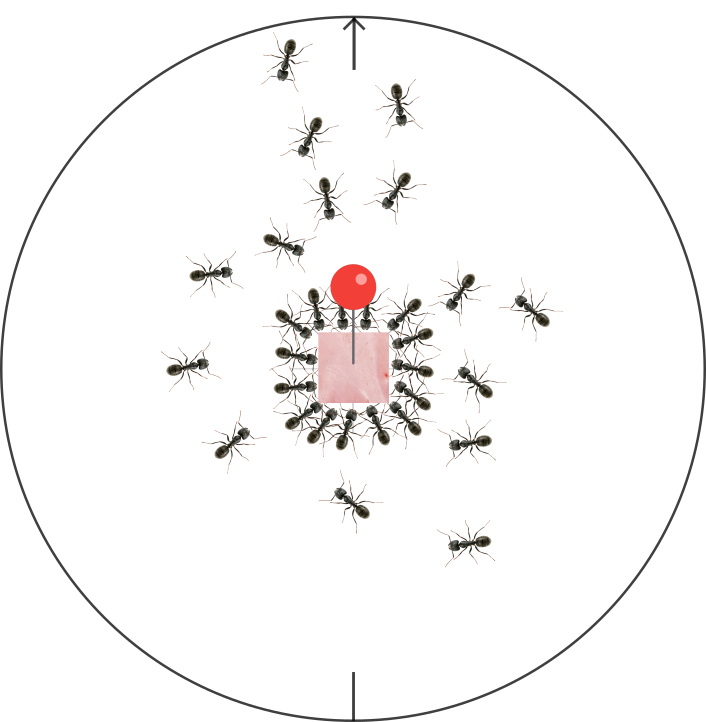
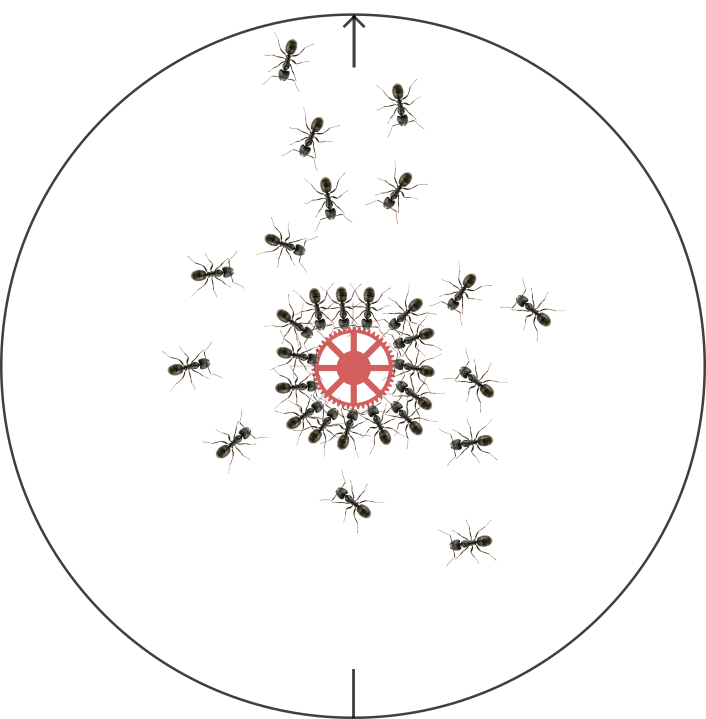
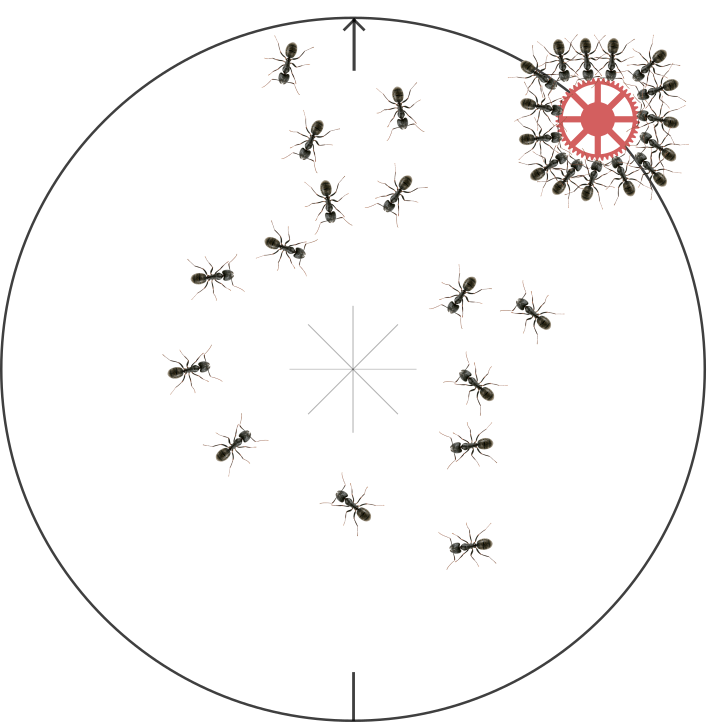
The two protocols are: pre-sampling and main sampling. The pre-sampling is for contributors which do not know whether the species in their area perform or not cooperative transport. The main sampling is for contributors that already know which species perform cooperative transport. Both protocols can be carried out with field or laboratory colonies.
Observe bait removal trials
The goal is to determine whether or not a species performs cooperative transport.
5 min recruitment + 10 min observation
Example output
Film bait removal trials
The goal is to measure cooperative transport in those species in which this behavior was already reported
5 min recruitment + 10 min recording
Example output
Artificial baits: 3D printed cogwheels
The artificial baits are 3D printed cogwheels in resin. The cogwheel shape provides sharp points for ants to grip. Nuts can be fitted to the cogwheel axis allowing to increase weight if necessary. To make the artificial baits appealing to the ants, both the cogwheels and nuts are scented with the ants’ preferred food before trials.
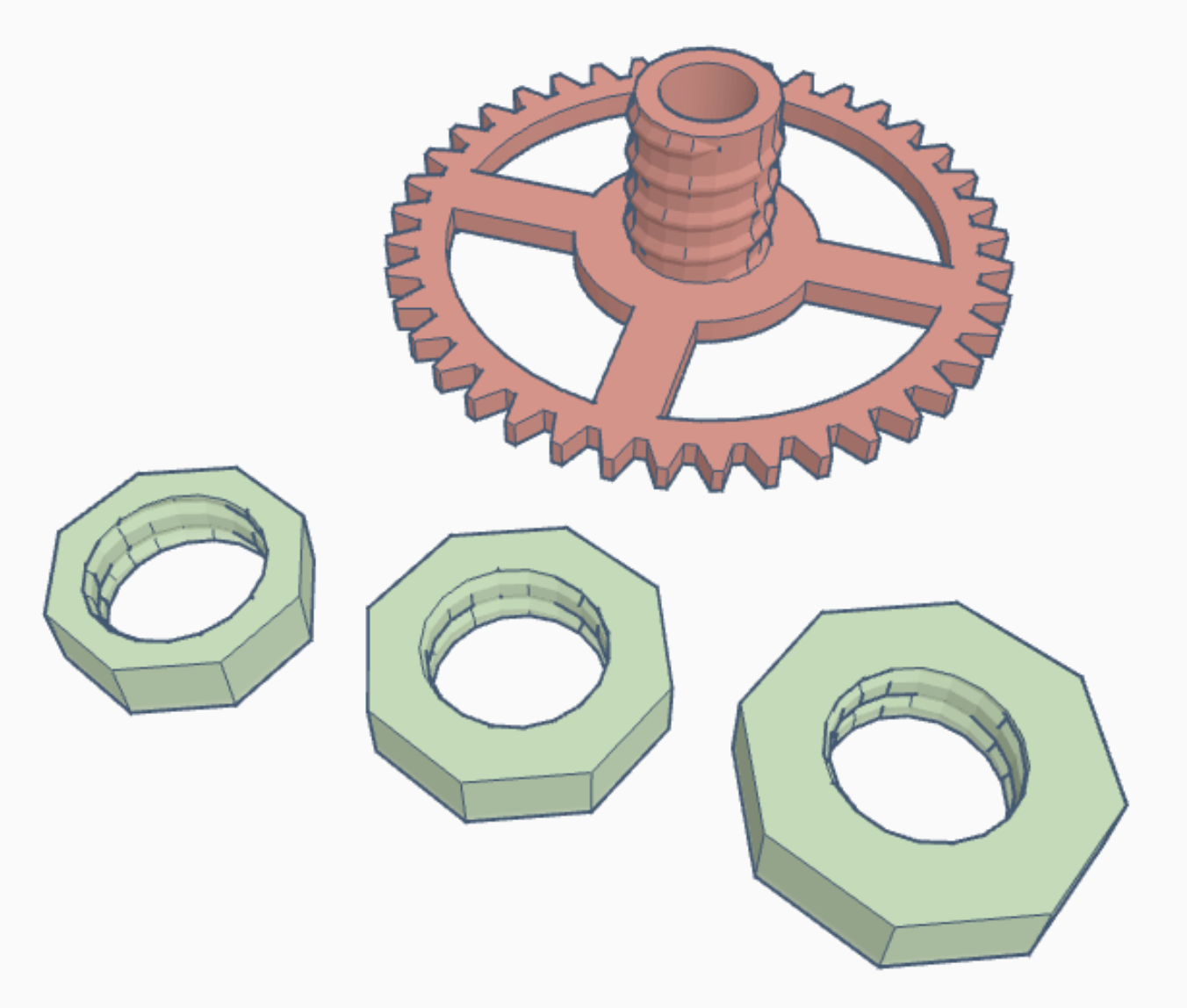
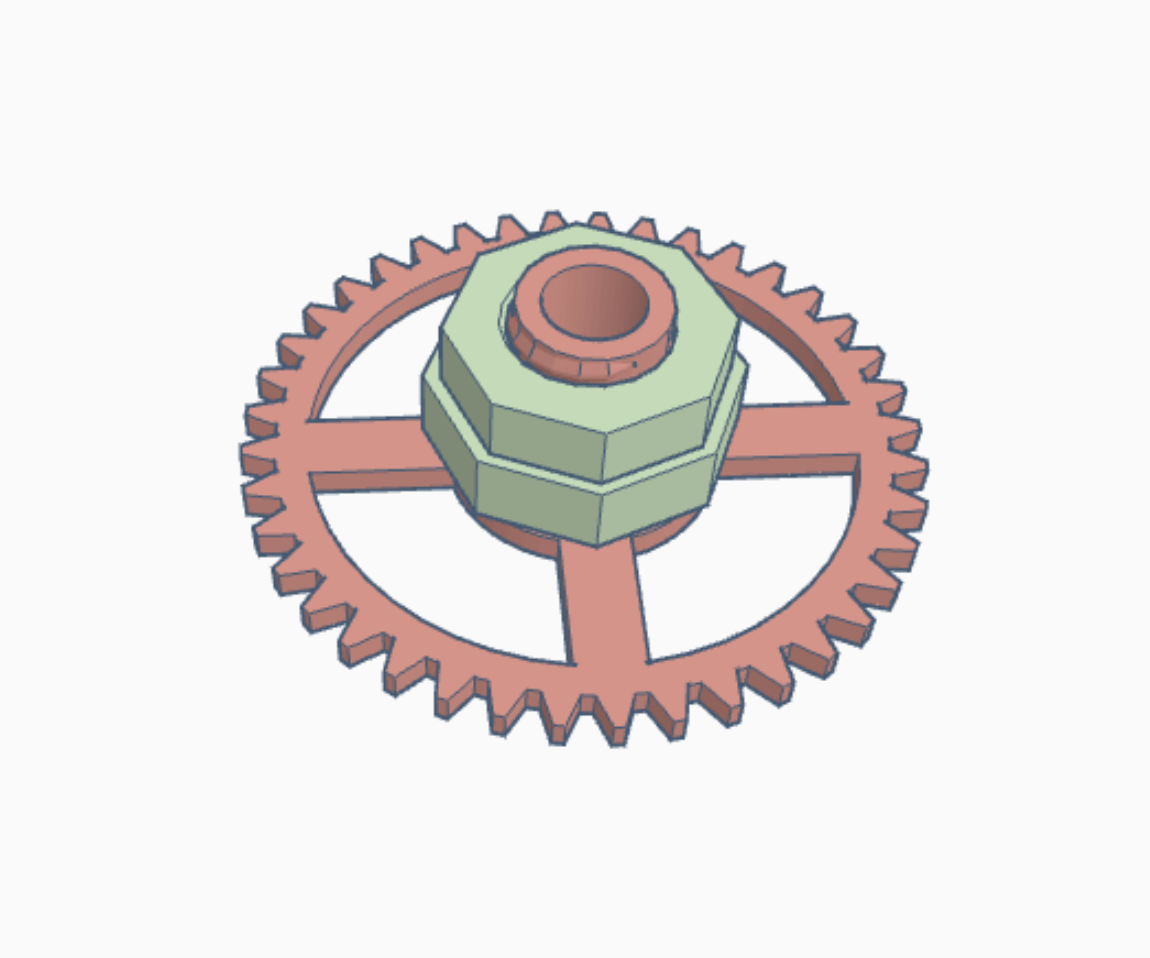
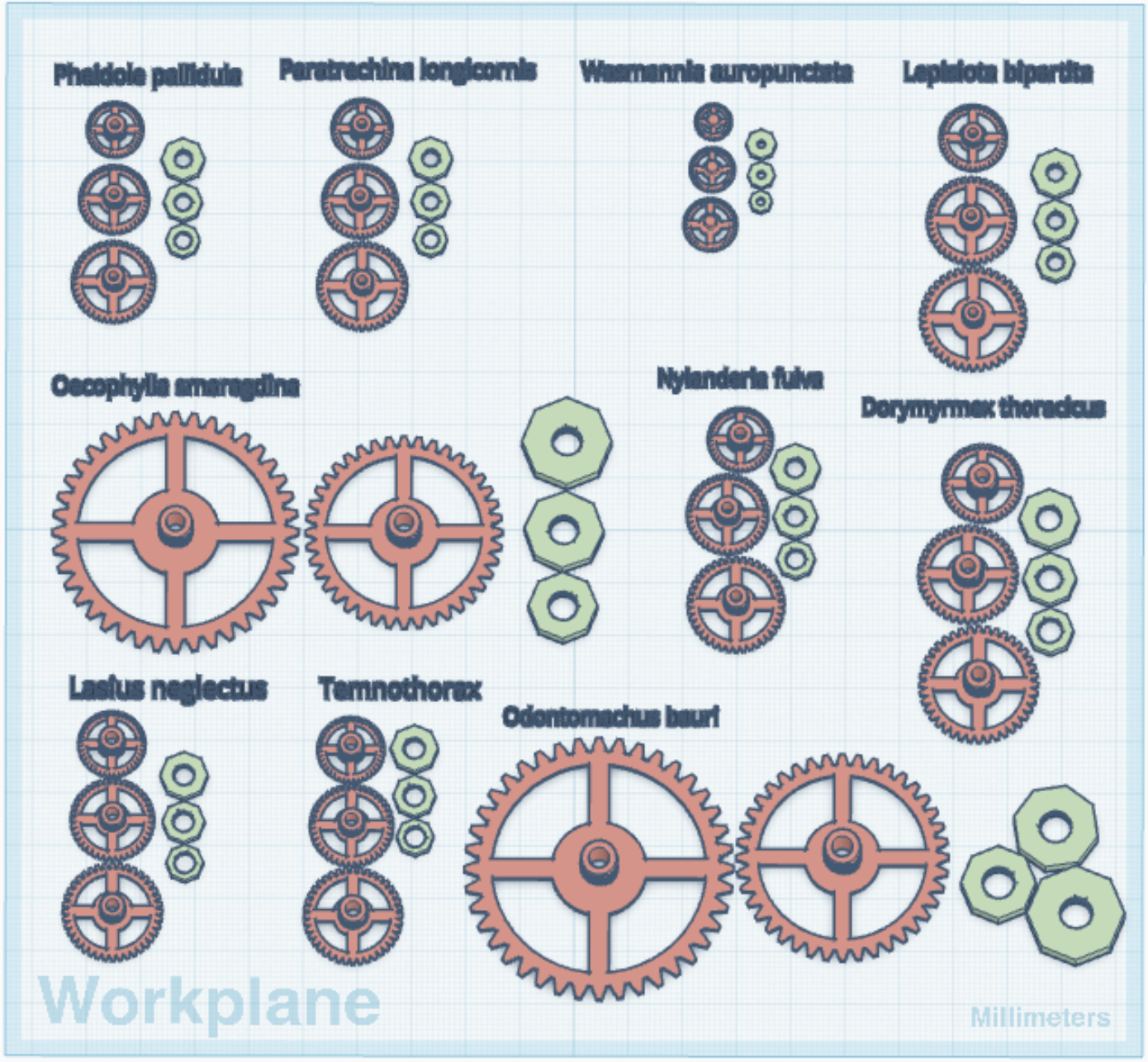
Explore the 3D Cogwheels for each protocol
Choose a pre-sampling size or a main-sampling set to explore in 3D and download.
CT kits
The kits contain most of the materials needed to complete the sampling protocols, including the cogwheel baits, recording labels and sheets, printed instructions, preparation supplies, and storage for the video recordings. Each kit is tailored to the sampling protocol and the ant species proposed by the contributor, then shipped to their address.
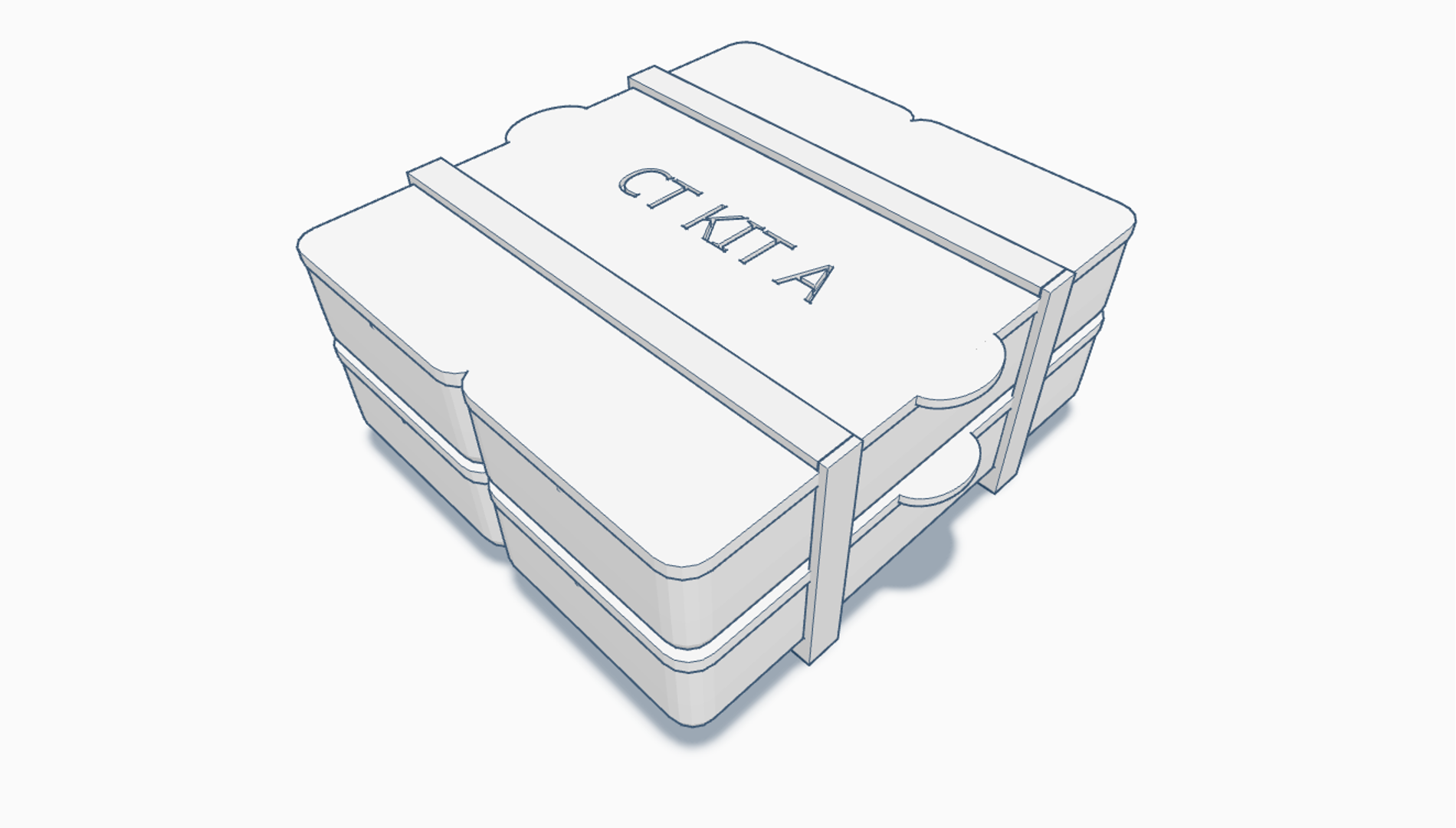
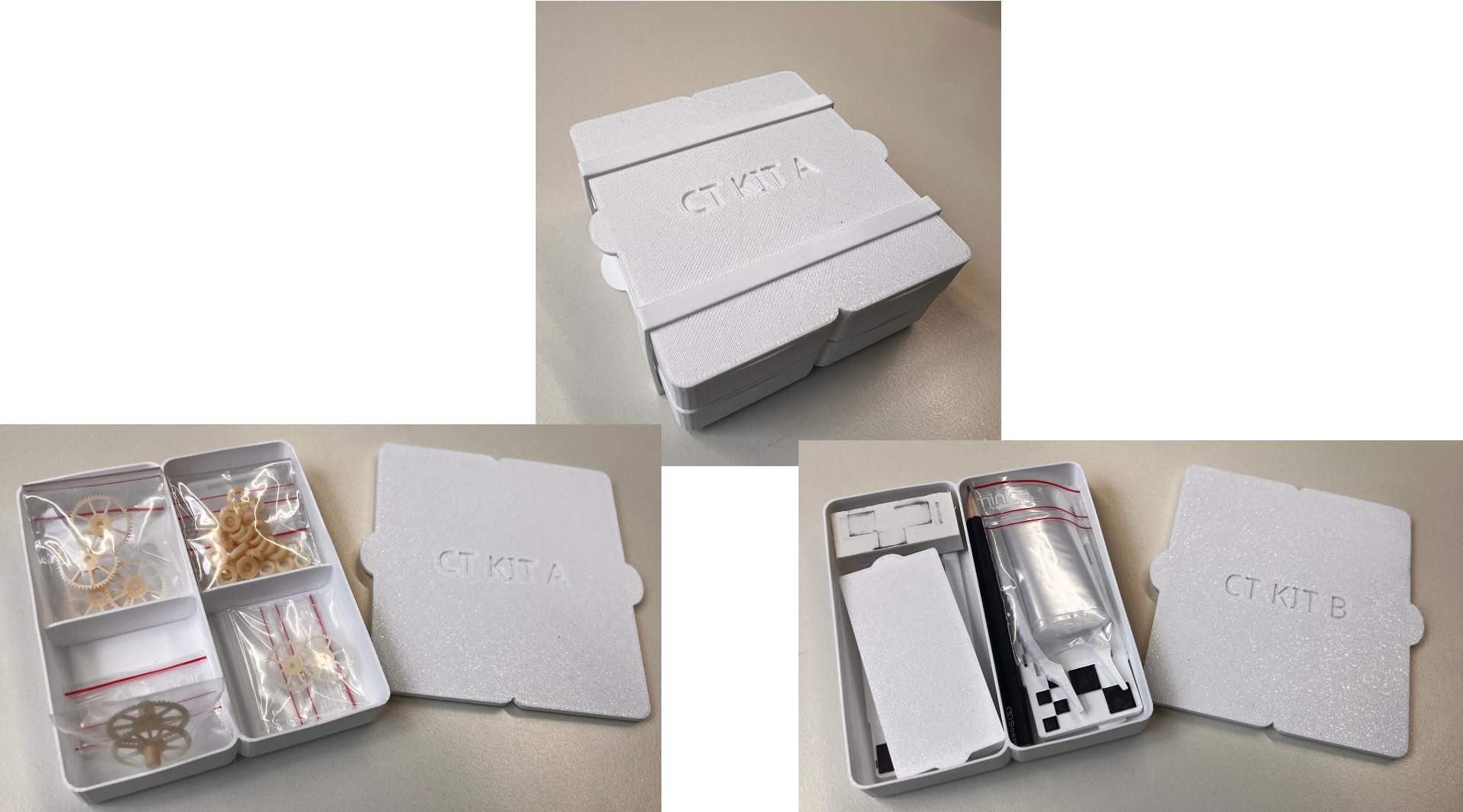
Explore the CT kit 3D components
Choose a component to rotate and inspect it in 3D, or download its STL file.
CT kit delivery records
| Protocol | Delivered | In preparation |
|---|---|---|
| Pre-sampling | 26 | 0 |
| Main sampling | 21 | 0 |
Performance metrics
I will extract the performance metrics listed below from your main-sampling videos using bait-tracking software; you do not need to track the bait or calculate these metrics yourself. I will also calculate bait removal rate from the results collected under either sampling protocol. If you would like to extract these metrics yourself, I am happy to share the guidelines on request.
| Metric | What it measures | When and how |
|---|---|---|
| Load transport rate (LTR) | Transport performance per ant: LTR = m × V / N, where m is bait mass, V is transport speed and N is the number of transporting ants. It combines the load moved with speed, adjusted for group size. | Per trial, from video during transport. Units combine mass × distance per ant per unit time. |
| Directional bias | The angular difference, in degrees, between the bait’s movement direction and the direction toward the nest entrance. | From video during transport, using the arena’s nest-direction reference. |
| Coordination time (CTime) | Time from bait discovery to transport initiation: CTime = Tinitiation − Tdiscovery. Initiation is defined as the bait moving three ant body lengths from its original position. | Per trial, from video that captures both discovery and initiation. |
| Sinuosity (S) | Actual bait path length divided by the straight-line distance between its starting and final positions. Values near 1 indicate a direct route; higher values indicate a more winding path. | From the bait’s video trajectory during transport. Undefined when start and end positions coincide. |
| Number of transporting ants (N) | Group size, estimated as the mean number of ants in contact with the bait at the start, middle and end of the transport bout. | Three representative video frames per trial, following the toolkit’s contact-based definition. |
| Bait removal rate | The proportion of trials in which the bait leaves the arena: successful removals divided by the total number of trials. This is the toolkit’s measure of CT capacity. | Across trials, using video or direct observation; score success or failure at the end of each trial. |
03 Contributors
Explore the contributor map
Click a circle to see the contributors and their affiliations in that country. Larger circles represent more contributors.
CT kit status
04 Ant species
Species proposed for sampling or already sampled, including sampled species whose identification remains unresolved.
05 Photos & videos
Photos
Videos
06 Frequently asked questions (FAQs)
Which species should I sample? What if they do not perform cooperative transport? Raised by at least 5 contributors
For the main sampling protocol, choose species already known to perform cooperative transport. For the pre-sampling protocol, you can sample any ant species. Species that do not perform cooperative transport are also valuable to the project.
If your time is limited and you have more than five species in mind, contact me to prioritize them. Expanding species coverage is a priority. Sampling an already represented species at another location can also be useful, but please coordinate this with me first.
Which food should I use to attract ants and scent the cogwheels? Raised by at least 5 contributors
During both recruitment and cogwheel transport, use food that attracts your target species. Ham has worked well for Linepithema humile, Dorymyrmex tener, Formica fusca, and species of Tetramorium and Lasius, but other species may prefer different foods. Seed-harvesting and leaf-cutting ants may require a different attractant; discuss suitable options with me.
If you do not know your target species’ food preferences, follow the instructions in the pre-sampling protocol to test different foods and identify which it prefers.
Avoid leaving a visible coating of honey or other food that ants can consume without transporting the cogwheel.
Which camera should I use, and how should I position it? Raised by at least 4 contributors
A dedicated video camera, action camera, or DSLR can be suitable. Position it securely so that the entire arena and metadata label are visible, with the ants and bait in focus.
A phone may work, but battery life and overheating can become problems during field sampling. If your camera uses standard SD cards, the supplied microSD card can be used with a compatible adapter.
Wind, overexposure from direct sunlight, and shadows can make field recordings difficult. Consider using a small gazebo-like structure such as GALA, which has been shown to improve video quality and has been used to record ant cooperative transport. See the GALA paper and the supplementary building instructions (Word download), including the materials list and assembly diagrams (Table S2 and Figures S1–S2).
How should I prepare and print the arena? Raised by at least 4 contributors
Use the supplied arena template in the appropriate paper format. Letter-size and larger-format versions have been provided when needed; contact me if your template does not fit your printer.
The arena should remain flat and stable, and ants must be able to enter it easily. On uneven ground, use a rigid backing. Its outer shape is less important than keeping the printed arena flat.
Can I sample species with minor and major workers? Raised by at least 4 contributors
Yes. Allow the workers that normally participate in transport to take part; do not exclude majors simply because they are larger.
For main-sampling bait preparation, report the sizes of the workers involved in transport. If minors do most of the transport, their size is the relevant reference. If both worker types participate, provide me with both size ranges to help select an appropriate bait size. Pre-sampling does not require this species-specific measurement.
How many trials and colonies should I sample? Raised by at least 4 contributors
For the main sampling protocol, aim for 30 trials per species, ideally distributed across 3–5 colonies over at least 3 days (PDF instructions). For the pre-sampling protocol, aim for 20 trials per species (PDF instructions).
If colonies relocate or become unavailable, retain the original colony identifiers for existing recordings and assign new identifiers to newly sampled colonies. Discuss any changes to the sampling plan with me.
What if the season or weather makes sampling difficult? Raised by at least 4 contributors
Sample when the ants are actively foraging. Rain, seasonal changes, or low recruitment can make it better to postpone sampling rather than continue under unsuitable conditions.
If ants are actively foraging but wind or direct sunlight makes recording difficult, consider using GALA (GAzebo LAtino). This portable shelter reduces wind around the arena and provides more even lighting, helping limit overexposure and shadows. See the GALA paper.
If your sampling window changes, let me know so that the schedule can be adjusted.
Can I work with field or laboratory colonies? Raised by at least 3 contributors
Both are suitable. Laboratory colonies should be established and actively foraging; a suitable colony size depends on the species.
In the field, working near a nest entrance is preferable. An established foraging trail can also be used when the nest is inaccessible.
My CT kit has not arrived. What should I do? Raised by at least 3 contributors
Check the CT kit status in this report. Contact me with your delivery details and planned sampling dates. Delivery times vary, and tracking is not always available through the university postal service. Please confirm when your kit arrives.
The ants recruit to the food but do not move the cogwheel. What should I do? Raised by at least 1 contributor
Check that the ants are actively foraging and that the selected food attracts them. Low recruitment or seasonal changes in food preference can affect their response.
Record what happens and contact me if the problem persists. Failure to move a cogwheel in one trial should not, by itself, be interpreted as evidence that the species cannot perform cooperative transport.
What if another ant species interferes with the trial? Raised by at least 1 contributor
If other ants disrupt recruitment or bait movement, try another nest entrance and repeat the trial. If they are present but do not interfere, the trial can continue.
What if replacing the food with the cogwheel disrupts recruitment? Raised by at least 1 contributor
Contact me before changing the sequence. Adjustments have been agreed for particular species, but these are case-specific exceptions rather than changes to the general protocol.
Can I reuse a cogwheel or continue if one breaks? Raised by at least 1 contributor
Cogwheels can be reused. Avoid reusing the same one in immediately consecutive trials, and let it air before returning it to the scenting bag.
If a cogwheel breaks, it can be repaired with superglue if necessary. Alternatively, use an intact spare. Contact me if replacements are needed.
Can I contribute recordings collected using a different setup? Raised by at least 1 contributor
For the shared CT dataset, collect recordings using the supplied arena templates and sampling protocol. Existing recordings from a different setup may be useful for other purposes, but should not automatically be combined with the standardized trials.